Mom Needs Coffee: A Retro Design for Stitching
First Impressions: The Mood of This Retro Mom Design
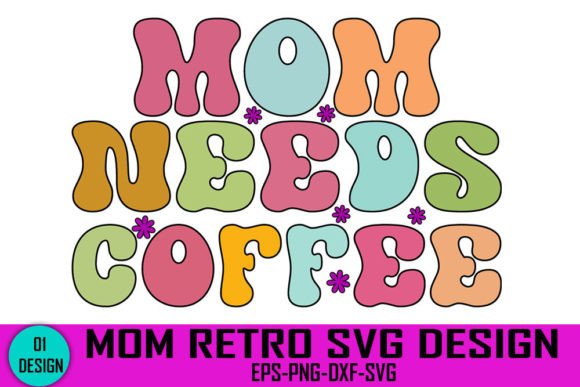
When you open a new embroidery file, you immediately get a sense of its personality. The Mom Needs Coffee design has a distinct retro feel—it’s playful and familiar. The bold, clean lettering and that classic coffee cup icon create an immediate connection. This isn’t a fussy, overly detailed graphic; it’s straightforward and confident. That makes it perfect for the crafters and apparel decorators I know, who need designs that translate clearly from screen to stitch.
The layout is balanced, with a clear focal point. The “Mom” text is prominent, and the “Needs Coffee” message sits comfortably alongside it, supported by the simple graphic. This kind of composition is a gift for embroidery. It tells a story quickly, which is exactly what you want for a product someone will wear, carry, or give as a gift. The mood it creates is lighthearted, relatable, and slightly nostalgic—a combination that resonates with a wide audience.
Where This Design Belongs: Real Projects for Real People
I picture this design stitched onto a soft, cotton tote bag for a friend who just became a mom. Or, as a small business owner, I imagine it as a best-selling item on a cozy sweatshirt in my Etsy shop. The theme is universal, but the retro styling gives it a unique, handmade charm that stands out from generic text-based designs.
This is a design that fits into so many product categories seamlessly. For custom apparel, think sweatshirts, t-shirts, and aprons—items where a little personality shines. For personalized gifts, it’s perfect for baby clothes, pillow covers, or kitchen towels, adding a touch of humor to everyday items. As a small shop product, it could be the centerpiece of a line of mom-themed merchandise, from patches to tea towels. The clean lines also make it excellent for digital product previews and printable mockups, helping you showcase your finished products online with clarity.
A Specific Scenario: Crafting a Boutique Baby Gift Set
Let’s walk through a real case. I’m preparing a gift set for a new mom: a embroidered burp cloth, a small patch for a diaper bag, and a cozy blanket. The Mom Needs Coffee design is my choice for the patch. I’m thinking about how it will stitch out. The letters need to be clear and crisp, not swallowed by the fabric texture. On a small patch, the design’s simplicity is key—detailed corners or tiny serifs can become muddy, but this bold, retro style should hold up well even in a smaller hoop size.
I’m also considering customer reaction. This isn’t just a cute phrase; it’s an acknowledgment of reality, delivered with a smile. That authenticity builds customer trust and enhances the handmade presentation. When a buyer sees this on a product, they feel the creator understood the sentiment. That directly impacts product value and buyer engagement. It’s a design that speaks to people, not just to machines.
Performance on the Machine and on the Product
In practical embroidery situations, a design’s file quality and artistic intent must align. The provided file formats—SVG, EPS, DXF, PNG—cover the needs for both digital use and machine preparation. For embroidery, you’ll be working from the vector files to ensure clean scaling.
When stitching, pay attention to stitch density in the filled areas, like the coffee cup. On thicker fabrics like sweatshirt material, a denser fill stitch will look rich and solid. On a lighter fabric, like a cotton baby bib, you might adjust settings to prevent the design from becoming too stiff. The text, likely best executed with a satin stitch or a clean running stitch outline, demands good stabilizer choice to prevent puckering, especially on stretchy fabric or dark fabric backgrounds where thread contrast is critical.
Considerations for Tricky Applications
This design is versatile, but like any embroidery file, it has ideal applications and some where you should proceed carefully. The bold style is forgiving, but still, be mindful.
- Small hoop sizes for items like caps or delicate patches: Test first. Ensure the lettering remains legible when scaled down.
- Textured fabrics like towels or blankets: The design’s open areas might get lost. A mockup on scrap fabric is essential.
- Curved surfaces like caps: The rectangular layout might need slight adjustment or careful hooping to sit correctly.
- Products needing frequent washing, like baby clothes or aprons: Secure stitching and quality thread choices will ensure longevity.
These aren’t drawbacks; they’re the normal considerations of a professional embroidery designer. Addressing them upfront ensures your finished product looks professional and lasts.
The Impact on Your Craft Business and Brand
Using a design like Mom Needs Coffee isn’t just about making one item. It’s about building a cohesive offering. For a craft business, this design can become part of a recognizable series—maybe alongside other retro-themed mom or parent sayings. That builds brand consistency. For an Etsy seller or creative entrepreneur, it offers a product with high giftability and recognition, which helps in marketing and customer discovery.
The design’s clarity also supports professionalism. A clean, well-stitched version on a tote bag or sweatshirt looks intentional and skilled, not homemade in a haphazard way. This elevates your entire small shop product line. In commercial embroidery projects, such as creating merchandise for a boutique, it provides a reliable, appealing asset that can be produced consistently.
Practical Notes From the Hoop
Before you load this file for a client order or a new product launch, here’s my grounded advice. These steps save time, materials, and reputation.
- Always test on scrap fabric first. Use the same material and color as your final project. Check for thread contrast, especially on dark backgrounds.
- Review the stitch density in your embroidery software. See how the fills and outlines are built. Does it match your intended fabric weight?
- Confirm your hoop size and the design’s scaled dimensions. A quick stitch-out on plain cotton will reveal any issues with small details.
- Inspect the design in black and white mockups. This helps you see its form without color distraction, ensuring the shapes are sound.
- Compare it on light and dark fabric backgrounds digitally. Plan your thread colors accordingly—a bright pop on dark fabric, or a subtle contrast on light.
- Use proper stabilizer. This is non-negotiable for crisp results, particularly on stretchy or thin fabrics.
- Check the licensing. The product is in the Graphics category of Crafts. Before selling finished items or using it in commercial embroidery projects, confirm the terms for commercial use. This protects your business.
The Mom Needs Coffee - Mom Retro Svg Design is a strong, communicative graphic. Its real value comes from how you apply it—with thoughtful testing, appropriate material choices, and an understanding of the story it tells. It’s not just a file in a zip folder; it’s a potential favorite in your product lineup, a conversation starter on a gift, and a reliable asset in your design library. Stitch it with confidence, but always stitch it with preparation.