Mama Vibes Embroidery: A Retro Mother's Day Design Review
The Immediate Mood and Visual Personality
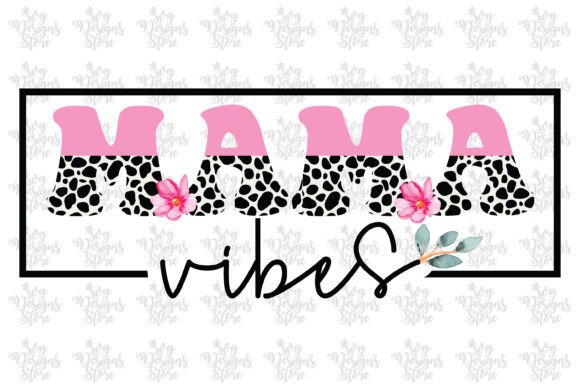
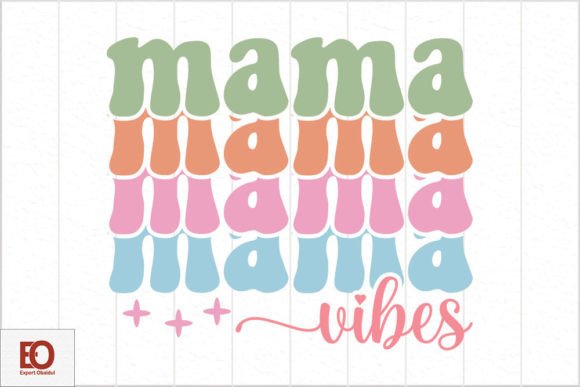
When I first opened the Mama Vibes file, my immediate thought was, "This is charming, not fussy." The retro styling feels warm and approachable. It doesn’t scream with loud colors or overly intricate detail, which is a significant advantage for embroidery. The layout is balanced, with a central focal point that doesn't feel crowded. This visual personality translates into a specific mood: nostalgic, affectionate, and slightly playful. It’s a design that whispers "Mom" rather than shouting it, which makes it feel more personal and genuine for a handmade gift.
Where This Design Naturally Belongs in Your Project Lineup
This isn’t a design I’d automatically throw onto a standard t-shirt. Its charm suggests a more curated product. I envision it beautifully on a heavyweight cotton tote bag, perhaps for a Mother’s Day market event. The bold, clean shapes would stitch up crisply on that fabric. Another natural fit is the center of a high-quality apron—a perfect gift for a crafty or kitchen-loving mom. For a softer, more sentimental application, I tested a mockup on a baby blanket corner or a nursery pillow cover, and the retro vibe worked surprisingly well, adding a touch of heritage without being too adult.
For my small business clients who run boutique gift shops, this design would be excellent for a limited-run series of embroidered tea towels or a simple, elegant sweatshirt. The aesthetic feels boutique-ready, not mass-produced. It also has strong potential as an applique design on a canvas patch, which could then be attached to a cap or a denim jacket, offering versatility.
A Real-Life Scenario: Crafting a Custom Embroidered Tote
Let's walk through a typical use case. A client requests a custom Mother’s Day gift—a tote bag for her mother who loves vintage aesthetics. I select the Mama Vibes design. Because the files include SVG and DXF formats, I can easily scale and position it in my embroidery software without losing quality. I plan to use a mix of satin stitch for the bold lettering and fill stitches for the larger decorative elements. On a natural canvas tote, the contrast will be lovely. I’ll likely use a mid-weight stabilizer to handle the fabric’s slight texture. The outcome I anticipate is a clean, professional-looking embroidered product that feels both handmade and thoughtfully designed. The customer reaction, I predict, will be positive because the design feels uniquely crafted for the occasion, not generic.
Performance in Real-World Embroidery Situations
The inclusion of multiple file formats (EPS, SVG, DXF, PNG) is a practical strength. For machine embroidery, the vector files (SVG, EPS) allow for precise scaling, which is critical. I can enlarge it for a statement sweatshirt back or shrink it down for a delicate corner on a kitchen towel. The PNG file is useful for creating quick printable mockups for my Etsy listings or client previews.
On standard apparel like t-shirts and sweatshirts, provided you use the correct stabilizer for the fabric weight, this design should stitch out cleanly. The level of detail appears manageable; there aren’t too many tiny, sharp corners that could lead to thread breaks or puckering. For baby clothes, on a soft cotton bodysuit, I would reduce the stitch density slightly in my software to keep the fabric flexible and comfortable.
For commercial embroidery projects, like a batch of caps for a local gift shop, the design's simple color block areas would mean efficient stitching with minimal thread changes, boosting production speed. As a digital embroidery file asset, it’s ready for integration into a craft business's seasonal product lineup.
Points of Careful Consideration
While the design is versatile, some applications require extra thought. On very small hoop sizes—think a tiny patch on a child’s jacket—some of the finer decorative details might become too dense and lose clarity. It’s always wise to test a scaled-down version on scrap fabric first.
Textured fabrics like certain linens or thick wool blends can obscure cleaner lines, so a test run is essential here. Stretchy fabrics, like jersey for t-shirts, demand excellent stabilizer technique to prevent distortion. Embroidering on dark fabric will require careful thread color selection to maintain the retro, often lighter, color palette implied by the design.
Curved surfaces, such as the front of a cap, can be tricky with any design. The layout of Mama Vibes is relatively central and contained, so it should adapt well, but hooping and stabilization on that curve are key. For products destined for frequent washing, like kitchen towels, ensuring your stitch density isn’t too high will help the embroidery withstand wear and maintain its visual appeal.
How This Design Impacts Your Business and Customer Trust
Using a well-structured design like this directly affects perceived product value. A clean, crisp embroidery result looks professional and boosts customer trust in your handmade presentation. It signals that you, as a maker, care about quality. For giftability, this design hits the mark—it’s clearly occasion-specific (Mother’s Day) yet stylistically timeless, making the finished product feel like a lasting keepsake rather than a trendy disposable item.
For brand consistency, if your small shop focuses on retro or heartfelt themes, this design can seamlessly integrate into your collection. It aids buyer engagement because the visual story is clear and emotionally resonant. When a potential customer sees it on a printable mockup in your Etsy store, they can easily imagine it as a finished, embroidered product on an item they’d love to own or give.
Practical Notes from the Embroidery Hoop
- Always test the design on a scrap of your target fabric first. Check for thread tension, stitch density, and overall clarity.
- Review thread color contrast against your fabric background. Don’t assume the implied colors from the PNG will work; choose threads that pop appropriately on both light and dark fabrics.
- Confirm your hoop size can accommodate the design at your chosen scale, especially if adding borders or other elements.
- Inspect the small details in your software before stitching. Look for any potential overlaps or overly tiny elements that might need slight adjustment.
- Use proper stabilizer for your fabric type. This is non-negotiable for a professional finish.
- Check the licensing terms for this graphic asset. The product description does not specify license details, so you must confirm whether your intended use—personal gifts or commercial sales of finished items—is permitted before proceeding.
- The description lists included file formats, but does not specify exact stitch counts, machine compatibility, or recommended hoop sizes. These are crucial technical details for embroidery, so you will need to analyze the files in your specific software to determine them.
In summary, the Mama Vibes - Mom s Day Svg Design is a stylistically strong candidate for a range of heartfelt, handmade embroidery projects. Its retro charm and clean composition make it a practical choice for crafters and small businesses looking to create Mother’s Day products that feel special and well-made. With careful preparation and testing, it can become a valuable asset in your seasonal crafting toolkit.