Embroidery Design Review: Home is Where Your Mom
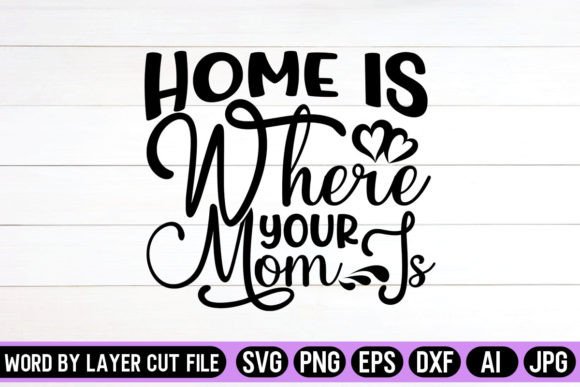
From the moment I saw this design, I felt its warmth. It’s not a complex, intricate piece; it’s a straightforward, heartfelt statement. The phrase “Home is Where Your Mom is” sits within a clean, encompassing shape, creating a layout that’s both balanced and instantly recognizable. This visual personality is key—it feels welcoming and sincere, perfect for projects where the emotion of the gift is the primary focus.
The Immediate Appeal for Embroidered Products
As a designer thinking about real projects, I immediately pictured this on a tote bag for a Mother’s Day gift. The design’s clarity and solid forms suggest it would stitch out beautifully as an appliqué piece or with clean satin stitches for the lettering. Its mood is nostalgic and comforting, making it a natural fit for personalized gifts like pillow covers, tea towels, or framed nursery decor. For a small business owner, this design translates into products with high giftability—a customer buying a custom embroidered sweatshirt with this phrase isn’t just buying apparel; they’re buying a sentiment.
Where This Design Performs Best
In practical embroidery situations, this Home is Where Your Mom is SVG Design shines on stable, medium-weight fabrics. Think cotton tote bags, canvas aprons, or quilted pillow covers. The likely stitch areas aren’t overly dense, which means it will perform well on sweatshirts and t-shirts with proper stabilizer. I’d also consider it for a simple, elegant patch. The clear lettering and shape would maintain excellent stitching clarity on a patch, which could then be applied to a blanket or cap.
For crafters and apparel decorators, this is a versatile asset. It works for baby clothes as a small, sweet motif, perhaps on a bodysuit or a knit hat. For holiday gifts, like a kitchen towel set for a new homemaker, it adds a personal touch that elevates the handmade presentation. In a boutique or Etsy shop, this design could anchor a whole line of “home and family” themed merchandise, from embroidered towels to simple wall hangings, ensuring brand consistency.
Navigating Potential Stitching Challenges
While the design feels robust, a professional must consider its limits. The included files—SVG, AI, EPS, DXF—provide flexibility for digital manipulation, but the physical embroidery has constraints. On very small hoop sizes, the lettering details could become muddled if the stitch density is too high. I’d be cautious on highly textured or stretchy fabrics, like certain knits, where the shape’s edges might lose definition.
Dark fabric backgrounds require careful thread color contrast planning; a test on scrap fabric is essential here. Also, on curved surfaces like caps, the encompassing shape might need slight adjustment to sit correctly—always check the design placement in a mockup first. The design doesn’t appear to have overly tiny corners, but any decorative accents within the shape should be inspected in a test stitch to ensure they don’t fill with too many stitches and become bulky.
A Real-Life Scenario: Preparing a Custom Tote
Let’s walk through a real case. I’m preparing a custom embroidered tote bag as a wedding gift for a client who wants to gift it to her mother. My first step is not to hoop the final product. I’ll run the Home is Where Your Mom is SVG Design on a spare piece of the same canvas fabric. I’ll check the stitch density, observe how the fill stitches behave, and see if any areas pull or distort. I’ll compare both light and dark thread options against the fabric. This test confirms the visual appeal and stitching clarity, which directly affects the product’s perceived value and customer trust. A clean, professional finish on a simple tote makes it look like a high-end boutique product, not a hobbyist experiment.
Impact on Your Craft Business and Buyer Engagement
Using a design like this commercially requires attention. The digital embroidery file itself is a graphics asset, but the finished product is what you sell. For Etsy sellers and creative entrepreneurs, this design can create strong buyer engagement because it taps into a universal emotion. An embroidered sweatshirt featuring it isn’t just another item; it tells a story. That story enhances recognition and can make your shop stand out at a craft fair.
However, always confirm the licensing terms provided with the files before selling finished items or digital products derived from them. The inclusion of multiple file formats (AI, SVG, PNG, EPS, DXF) suggests versatility for both machine embroidery and printable mockups, which is excellent for creating professional listings. Use the PNG for quick mockups to show customers how the design would look on a baby blanket or an apron, boosting their confidence before purchase.
Practical Notes for the Embroidery Designer
- Always test the design on scrap fabric first, matching the final project’s texture.
- Review thread color contrast thoroughly, especially for dark backgrounds.
- Confirm your hoop size can accommodate the design without compressing small details.
- Use proper stabilizer for the fabric type—this is critical for maintaining clarity on garments.
- Check the design in black and white mockups to assess its form independent of color.
- Understand whether the design files are intended for personal and commercial projects.
- For products needing frequent washing, like baby embroidery or kitchen towels, ensure stitch coverage is secure to withstand wear.
Ultimately, the Home is Where Your Mom is SVG Design is a practical, emotive tool for makers. It’s not a flashy, complex graphic; it’s a reliable, clear statement that, when embroidered with care, results in a product that feels both professional and deeply personal. It fits seamlessly into the workflow of a hobbyist making a gift or a small business owner building a line of heartfelt merchandise. Its strength is in its straightforwardness, which, in the world of embroidery, often leads to the most satisfying and successful finished products.