Reviewing the Livin That Tennis Mom Life Embroidery Design
When a design like Livin That Tennis Mom Life lands on my screen for review, my first question isn't about the file format—it's about its soul. What story does this design tell when it’s stitched into fabric, and will that story resonate in a real project? I approach this from the perspective of an embroidery designer who needs assets that translate beautifully from digital preview to finished product, whether for a client’s custom sweatshirt, a boutique’s tote bag, or a personalized gift for a friend.
The Immediate Mood: Celebrating a Specific Kind of Joy
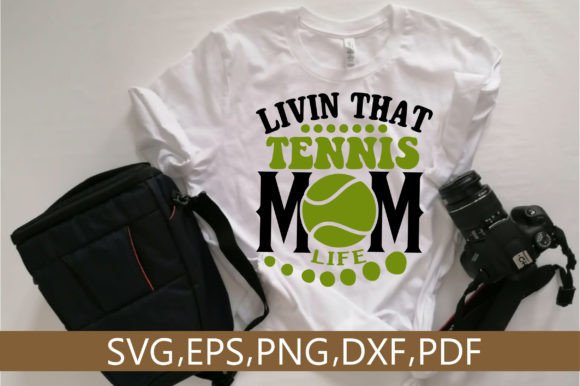
The phrase "Livin That Tennis Mom Life" immediately conjures a very specific, vibrant energy. It’s celebratory, slightly playful, and deeply relatable to a niche community. As a design, its personality leans toward friendly and modern. The layout, being described as "Word By Layer," suggests a thoughtful separation of elements, which is a gift for embroidery. It means I can potentially control color placement, stitch types, and even add slight dimensional effects by treating each word or layer independently. This isn’t just a graphic; it’s a blueprint for a tactile, textured finished product.
The theme is its strongest asset. This isn't a generic greeting. It’s a badge of honor, a nod to a lifestyle. In my mind, I’m already picturing it on the back of a well-loved zip-up hoodie, stitched in a crisp white satin stitch against a navy blue background, or as a smaller accent on the strap of a canvas tote bag carried to weekend matches. It feels destined for apparel and accessories that are worn with pride.
Where This Design Excels in Real Embroidery Projects
Let’s walk through a real scenario. A client requests a custom gift for her friend, a dedicated tennis mom. She wants an embroidered pillow cover for her friend’s reading nook. Using this design, I can assess its suitability immediately. The text-based nature means it will rely on clean lettering. With a "Word By Layer" SVG structure, I can adjust the stitch density for each element, perhaps using a denser fill stitch for the main words and a lighter running stitch for a possible decorative underline or icon if included. This control prevents the design from becoming overly heavy on a home decor item like a pillow.
Beyond gifts, this design is a strong contender for small business merchandise. For an Etsy seller specializing in sport-themed apparel, this file could be the core of a popular product line. Imagine it embroidered on the front of a relaxed-fit tee, the cuff of a baseball cap, or centered on a kitchen apron for those post-match barbecues. Its niche appeal drives recognition and buyer engagement—customers seeking this phrase will feel it was made precisely for them, elevating the perceived value of the handmade product.
Commercial Appeal and Brand Consistency
For creative entrepreneurs, a design like this offers more than a one-off project. It can become part of a brand’s consistent offering. A digital product seller could use the embroidered version in printable mockups to showcase how their SVG files translate into physical crafts, building customer trust. An apparel decorator could offer it as a standard option for team moms, creating a reliable stream of commercial embroidery projects. The visual appeal lies in its clarity and thematic confidence; when stitched well, it looks professional and intentional.
Considerations and Careful Application
No design is universally perfect, and practical judgment is key. The potential pitfalls here often relate to scale and fabric. Given its likely text-heavy composition, small hoop sizes could be a challenge. Embroidering this on a baby’s onesie or a delicate handkerchief would require careful testing. Tiny lettering can lose clarity if the stitch density is too high or the fabric is too textured, like a linen blend.
Stretchy or thin fabrics, such as for certain t-shirts, demand a robust stabilizer and possibly a lighter stitch setting to prevent puckering. On dark fabric backgrounds, thread color contrast is paramount—a pale thread might need an underlay stitch for better pop. Also, on curved surfaces like caps, the layout’s width needs to fit the available space without distortion at the edges. I would always advise testing the design on scrap fabric of the same type and color as the final project first.
Ensuring Stitching Clarity and Longevity
For products destined for frequent washing, like sweatshirts or tea towels, the design’s durability matters. Areas with dense stitching could become stress points. Inspecting the small details in the file before hooping is crucial. Does the design have very tight corners or intricate overlaps that might cause thread breaks? A practical step is to also run a test in a simple black and white mockup to see how the elements hold their form without color distraction, focusing purely on shape integrity.
Practical Notes for the Embroidery Designer
Before committing this design to a final product, here’s my typical checklist. First, confirm the actual licensing terms of the file. The description states it's a digital download, but clarity on commercial use is essential before selling finished items. Can I use the embroidered result on products I sell at a craft fair? I must verify that.
Second, upon opening the SVG, I look at the layer separation. How are the words broken down? This informs my thread color planning and allows for creative mixes—maybe "Tennis" is stitched in green and "Mom Life" in a contrasting navy. It also lets me consider applique opportunities; perhaps one layer could be a fabric applique rather than pure stitch, adding texture.
Finally, I consider the design’s giftability. A phrase like this, embroidered onto a high-quality canvas tote or a soft fleece blanket, transforms a digital graphic into a deeply personal gift. The handmade presentation amplifies its meaning. For holiday gifts, mother’s day, or even as a wedding gift for a tennis-loving bride, this design hits an emotional note that generic designs miss.
A Design That Speaks Directly to Its Audience
In conclusion, Livin That Tennis Mom Life as an embroidery design file succeeds by speaking directly to a lived experience. Its value in real-world embroidery—from custom apparel to small shop merchandise—is rooted in that specificity. For the embroidery designer, it offers a clear-path project with good control due to its layered structure. For the end customer, it results in a product that feels custom-made and understood. The key, as always, is in the meticulous translation from digital asset to stitched reality: proper stabilizer, thoughtful thread choices, and an understanding of the fabric it will call home. When those align, this design doesn’t just sit on the fabric; it comes to life.