Mom Zilla SVG: A Designer's Take for Real Embroidery Projects
Let me tell you, when a design like "Mom Zilla SVG" lands on my screen, my first thought isn't about file formats. It’s about thread and fabric. I look at it as a blueprint for something real—a sweatshirt for a client, a tote bag for a craft fair, a baby blanket for a personalized gift. My job is to judge whether this graphic has the bones to become a great embroidery project, not just a cute digital file.
The Personality Stitched Into This Design
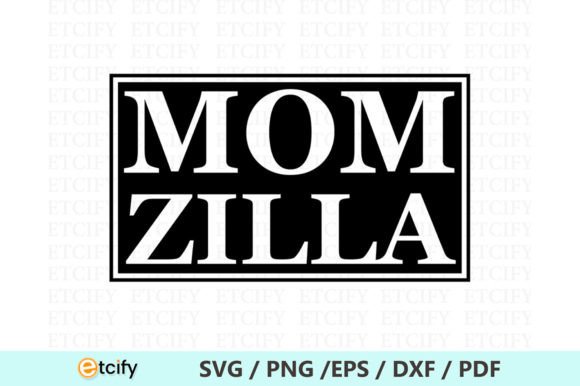
The first impression is strong. The name gives you the mood: playful, fierce, and full of a specific kind of love. The visual personality, assuming it uses that iconic monster silhouette combined with "mom," creates a bold, graphic statement. For embroidery, this is good news. Shapes with clear, defined outlines translate beautifully into satin stitch borders or even clever applique design opportunities. The detail level feels like it’s meant to be impactful from a distance, which is exactly what you want for custom apparel like sweatshirts or tote bag designs.
This isn’t a delicate, floral piece. It’s a confident declaration. That tells me it naturally belongs on items where the wearer wants to make a statement: adult sweatshirt embroidery, a bold embroidered patch on a backpack, or even a fun apron for a kitchen gift. The layout suggests it would center well on a chest or the front of a bag, becoming a focal point rather than a tiny accent.
Where Mom Zilla SVG Shines in Real-Life Stitching
Imagine you’re preparing a custom embroidered tote bag for a client who’s a new mom. You want something unique, a bit humorous, and utterly personal. This design concept fits perfectly. On a sturdy canvas bag, the bold shapes would stitch out with excellent clarity. Using a contrasting thread color—maybe a vibrant green for the monster against a natural fabric—would make it pop. The result feels like a high-value, handmade product with a story.
For small business merchandise, like items for an Etsy shop specializing in personalized gifts, this design offers versatility. It could be scaled up for a large pillow cover in a nursery (that "Mom Zilla" guarding the crib!) or scaled down for a cute, albeit simplified, motif on a baby embroidery item like a bib. On caps, however, you’d need to be careful. The curved surface of a cap can distort larger, wide designs; a simplified version or just the text element might work better there.
For craft fair products or boutique branding, the design’s recognizability is key. It’s instantly understandable and emotive, which drives buyer engagement. A well-embroidered version on a high-quality tea towel or kitchen towel would look professional and giftable, increasing perceived value.
Considerations for Stitching Success
This is where the practical judgment comes in. A graphic meant for cutting machines like Cricut often has clean lines, but for embroidery, we need to think about stitch conversion. The areas inside the design—like the monster’s body—would likely become fill stitch regions. Stitch density here is crucial. Too dense on a lightweight t-shirt, and it becomes stiff and prone to puckering. On a blanket or sweatshirt, it can handle more density.
Always, always test the design on scrap fabric first. Use the same fabric and stabilizer you plan for the final project. This tells you if small details, like tiny lettering inside the design if it exists, will stitch cleanly or become a blur. Check thread color contrast on both light and dark fabric backgrounds. A design like this might lose impact on very dark fabric if not planned with bright, opaque threads.
Projects That Demand a More Careful Approach
While the design feels robust, some applications require extra thought. On very small hoop sizes, the complexity might need to be reduced; not all details will survive at a 3-inch size. Textured fabrics like loose knits or terry cloth can obscure crisp edges, so a simpler outline might be better. For items needing frequent washing, like kids' clothing, ensure your stitch choices and stabilizer are durable to prevent premature fraying.
Also, consider the product’s end-use. Is it for a holiday gift for a mom? Great. Is it for commercial embroidery runs, like a batch of hats for a small shop? You must confirm licensing before selling finished items. The description mentions it includes SVG files for various uses, but for selling physical embroidered products, verifying the digital embroidery file license is a non-negotiable step for Etsy sellers and creative entrepreneurs.
Boosting Professionalism & Trust
How you handle a design like this affects your entire presentation. Using a proper stabilizer and choosing quality threads makes the finished product look crisp, increasing customer trust in your craft business. For digital product sellers offering this as part of a printable mockup or design asset bundle, showing it in realistic embroidery contexts (like a mockup on a sweatshirt) adds tremendous value and shows you understand real application.
The design’s bold nature helps with brand consistency if you’re a maker focused on playful, family-oriented products. It becomes a recognizable part of your shop’s style.
A Final, Friendly Designer's Note
So, would I load this Mom Zilla SVG into my software for a real project? Absolutely, with the right groundwork. It has the visual strength that translates well into thread. My final advice is this: see it not just as a graphic, but as a potential texture on fabric. Review stitch density in your software preview. Inspect small details. Compare light and dark fabric backgrounds in your mind. And then, hoop up some scrap fabric and make a sample. That sample will tell you everything—how it feels, how it wears, and whether this "Mom Zilla" is ready to roar on your next finished product.