From Digital File to Finished Stitch: The Retro Mom Fuel SVG Review
When you're sitting in front of your embroidery machine, preparing for a client project or a new product line for your shop, the quality of the design file you load is everything. It's not just about the aesthetics on screen; it's about how it will translate into thread and fabric. Today, I'm looking at the Retro Mom Fuel SVG from a practical, stitch-first perspective. Let's walk through what it means to take this graphic from a download folder to a finished, sellable, or giftable embroidered piece.
The First Impression: Nostalgia with a Modern Edge
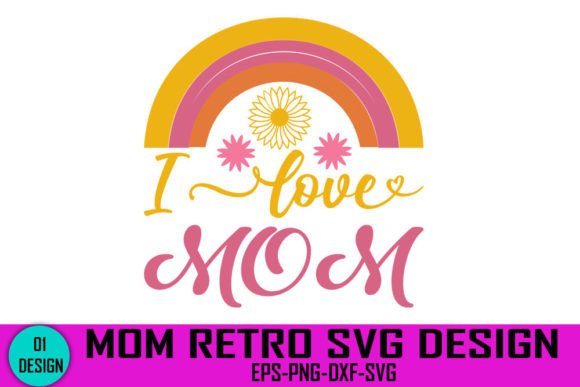
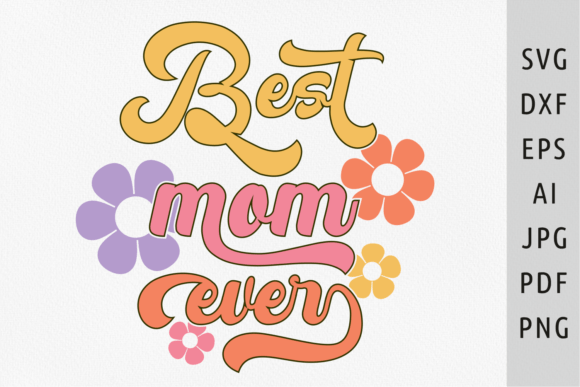
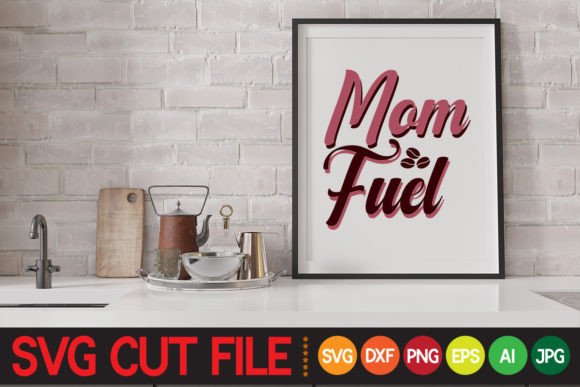
The Retro Mom Fuel SVG immediately hits you with a specific mood. It’s playful, warm, and carries a nostalgic charm that feels both personal and universal. The layout is straightforward—the words are the clear focal point—which from an embroidery standpoint is excellent. It means the design’s personality is carried primarily by the lettering style and any accompanying simple graphic elements, rather than overly complex details that can become muddy in stitching. This isn't a fussy, delicate design; it's bold and declarative. It feels like it belongs on something meant to be used and seen: a tote bag carried to the grocery store, a sweatshirt worn on a cozy weekend, or an apron in a busy kitchen.
Where This Design Shines in Real Projects
I picture this design embroidered on a sturdy canvas tote bag for a boutique. The retro lettering would translate into clean satin stitches for the text, creating a lovely tactile texture that customers appreciate in a handmade product. On a high-quality cotton sweatshirt, it becomes a statement piece—a gift for a mother, a friend, or a product for an Etsy shop specializing in personalized apparel. The sentiment is universal enough that it has wide appeal, yet specific enough to feel special.
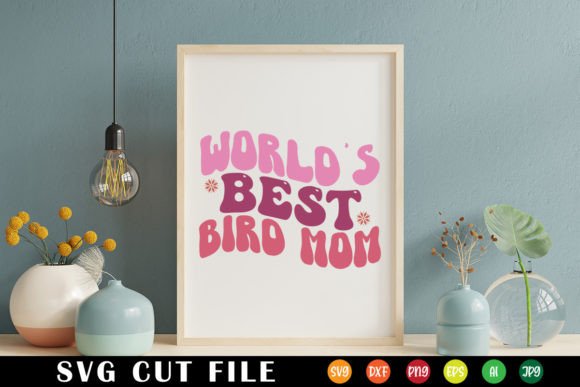
For baby items, like a quilt or a simple cotton bib, it could be scaled down with careful attention to stitch density. On a tea towel or a pillow cover, it becomes charming home decor. The strength of this design for craft businesses is its versatility across product categories. It can be the centerpiece of a holiday gift collection or a staple in a shop selling humorous, heartfelt kitchen merchandise. In a printable mockup for your digital store, it presents clearly, helping potential buyers visualize the final embroidered product.
A Practical Scenario: Preparing a Custom Embroidered Apron
Let's say a client requests this design on a chef's apron for a gift. My first thought is fabric: a mid-weight cotton or linen. The design's bold nature means it won't get lost on the fabric. I'd consider thread color contrast—perhaps a rich coffee brown on a cream apron, or a vibrant red on a classic white. The straightforward layout means I don't have to worry about intricate details fighting with the apron's texture. The final result would be professional, clean, and exactly what the client envisioned: a personal, usable gift with a handmade touch.
Caution Zones: Where to Proceed Carefully
While the Retro Mom Fuel SVG is adaptable, its application needs thoughtful consideration in certain situations. On very small hoop sizes, the lettering could become too dense if the design isn't scaled appropriately. Tiny details within the lettering styles need to be inspected before stitching; some retro fonts have fine serifs or corners that might not stitch cleanly at very small sizes.
Stretchy fabrics like thin t-shirts require careful stabilizer choice to prevent puckering, especially if the design uses substantial fill stitches. On dark fabrics, the thread color palette needs to be chosen for maximum pop and readability. Embroidering on curved surfaces like caps requires testing the layout to ensure it sits correctly on the curved panel. And for products destined for frequent washing, like baby clothes or kitchen linens, a robust stitch density and quality thread are non-negotiable for longevity.
The Impact on Your Business and Your Craft
Using a well-executed design file like this affects more than just the stitch. It elevates the visual appeal of your final product, making it look professional and intentional. Clear stitching builds customer trust—they see a crisp, clean result that reflects care. For a small shop product, this consistency reinforces your brand's quality. As a personalized gift, it feels thoughtful and well-made, increasing its giftability.
For an Etsy seller or a craft fair vendor, a design with clear visual personality like this can drive recognition and engagement. Customers remember a fun, well-made item. It speaks directly to an audience, making your merchandise feel curated rather than generic. From a commercial embroidery perspective, a reliable, clean file means efficient production and happy clients.
Essential Designer Notes Before You Hoop Your Fabric
Before you commit this design to a final project, especially for a client or a commercial product, do your due diligence. Always test the embroidery file on a scrap of your target fabric first. This reveals the true stitch density, how the small details render, and any potential issues with the fabric texture.
Check thread color contrast by viewing the design in simple black and white mockups against both light and dark backgrounds. Confirm your hoop size can accommodate the design at your intended scale. Use the proper stabilizer for your fabric type—this is critical for a clean finish. Crucially, review the provided file formats and any licensing information. The product description mentions included Ai, SVG, and PN files. Understand what each is for and confirm the license terms regarding personal and commercial use before selling any finished product or using it in digital product previews. If specifics like exact stitch count or recommended hoop size aren't provided, you'll need to determine those through your own pre-production testing.
Final Judgment: A Solid Design for Real-World Stitching
The Retro Mom Fuel SVG presents itself as a graphics file, but its value is measured in thread and customer satisfaction. From my perspective as someone who turns digital files into physical goods daily, this design has a strong foundation. Its mood is clear, its layout is embroidery-friendly, and its application across a range of products is broad. It requires the standard careful preparation of any machine embroidery design—attention to scale, fabric, and stitch settings—but it doesn't present inherent, problematic complexity.
For the crafter making a gift, the small business owner adding a new product, or the apparel decorator fulfilling a custom order, this design can translate into a professional, appealing, and marketable embroidered piece. It’s a reminder that a good digital asset isn't just about looking nice on screen; it's about holding its character under the needle and becoming a part of someone's life, wardrobe, or home.