Cool Mom: A Retro SVG Design for Embroidered Charm
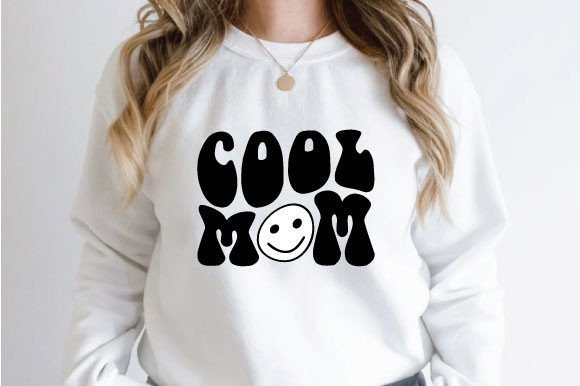
When you open a new design file, you’re not just looking at vectors and paths. You’re imagining stitches on fabric, the weight of thread, and how it will look on a finished product. That’s the lens I’m using as I evaluate the Cool Mom - Retro SVG Design. This isn’t just a graphics review; it’s a practical assessment for embroidery designers and makers who want to know how this design translates into real, stitched projects.
The Immediate Mood: Warm Nostalgia with Modern Usefulness
The first impression is pure, friendly nostalgia. The retro styling isn’t just a trend—it feels earnest and warm. The layout and implied details suggest a design that would stitch out with a personality that’s both celebratory and comforting. It doesn’t scream; it smiles. This visual personality makes it a natural fit for projects that carry emotional weight: personalized gifts, boutique baby items, or merchandise for a small shop that values a handmade, heartfelt touch.
In my mind, I’m already picturing it on a canvas tote bag for a craft fair, or as a small, sweet detail on a baby’s organic cotton blanket. The theme speaks directly to a certain joyful recognition, which is a powerful asset for any product aimed at gifting or personal celebration.
Where This Design Finds Its Best Home
Based on its style, the Cool Mom - Retro SVG Design naturally belongs in a specific family of embroidery projects. Its charm is strongest when applied to items that are already associated with care, celebration, or personal identity.
- Custom Apparel with a Soft Touch: Think lightweight sweatshirts, cotton t-shirts, or relaxed apron fronts. The design’s mood aligns perfectly with comfortable, everyday wear.
- Gift-Focused Home Goods: Embroidered pillow covers, kitchen towels, or simple wall art for a nursery. These items become keepsakes, and the design’s retro warmth supports that.
- Small Business Merchandise with Personality: For Etsy sellers or craft fair vendors, this design could elevate a simple tote bag or a zippered pouch into a recognizable, branded product line around motherhood, family, or celebration.
- Personalized Holiday & Celebration Items: As a birthday gift, Mother’s Day present, or even a wedding shower keepsake, an embroidered patch or tea towel featuring this design feels thoughtfully curated.
In a real-life scenario, like preparing a custom embroidered tote for a client’s boutique, I’d consider how the finished stitches will interact with the bag’s texture. The design’s likely moderate detail level suggests it shouldn’t be swallowed by heavy canvas, but would shine on a smoother, medium-weight fabric.
Practical Performance in the Stitching World
Moving from “looks nice” to “stitches well” is the critical leap. For an embroidery file like this, I think through its performance in real machine embroidery situations.
- Visual Clarity After Stitching: The retro aesthetic often relies on clean shapes. I’d expect this to translate well into satin stitches for outlines and fill stitches for larger areas, maintaining good clarity on the final product. This directly impacts customer trust—a crisp, clean embroidered result looks professional and valuable.
- Adaptability Across Products: From a dense sweatshirt fleece to a thinner cotton baby romper, the design’s success will hinge on proper stabilizer choice and thoughtful sizing. It likely wouldn’t fare well miniaturized onto a curved cap surface if the lettering is intricate, but scaled appropriately on a flat pillow cover or bag, it should hold its character.
- Color & Contrast Considerations: The mood suggests a palette that works on both light and dark backgrounds. As a designer, I’d absolutely test it on scrap fabric first, experimenting with thread color contrast to see if the retro feel is preserved on, say, a dark heather grey shirt versus a white one. This testing is non-negotiable for ensuring the handmade presentation is flawless.
The value it adds to a finished product is emotional resonance. A well-embroidered “Cool Mom” design on a simple product turns that product into a story. That’s a key driver for buyer engagement in markets like handmade goods and personalized gifts.
Spots Where a Designer Should Proceed with Care
Every design has its ideal applications and its trickier ones. For the Cool Mom - Retro SVG Design, here are the situations where I’d advise extra caution.
- Very Small Hoop Sizes: If the design contains tiny lettering or very fine decorative accents, attempting to stitch it extremely small could lead to lost detail and a muddy look. Always inspect the small details in your software before committing to a tiny hoop.
- Highly Textured or Stretchy Fabrics: Fabrics like terry cloth or very stretchy knits could distort the clean lines. A strong stabilizer strategy is essential here.
- Products Subjected to Frequent Washing: If used on an everyday kitchen towel or a child’s item, consider stitch density. A very dense fill stitch area might hold up better over time than a sparse one, but it’s something to evaluate based on the actual file.
- Commercial Embroidery Projects: If you’re using this for a client’s bulk order or as part of your small shop’s permanent line, confirming the licensing terms is a must. The product description doesn’t specify these terms, so check them before selling finished items. This protects your business and ensures brand consistency.
The Designer’s Checklist Before the First Stitch
My final thoughts are a set of practical, confident notes I’d follow myself before loading this file into my machine for a real project.
- Test on Scrap: Always. Use the same fabric and stabilizer you intend for the final product. This reveals everything about stitch density, thread tension, and color interaction.
- Check Scale & Hoop Size: Run a virtual preview in your embroidery software. Does the design look clear and intact at your intended size? Does it fit comfortably in your planned hoop?
- Plan for Fabric Background: Create simple black and white mockups, or visual comparisons in your design software, to see how it performs on light versus dark backgrounds. This informs your thread palette choice.
- Consider the Final Product’s Life: Is it a decorative pillow, or a heavily used tote bag? That influences your choice of thread type and potentially even stitch techniques if you’re adapting the file.
- Clarify Usage Rights: As mentioned, for any commercial use—selling the finished embroidered product, using it in your craft business, or incorporating it into digital product previews—you must verify the licensing. This is a fundamental step for creative entrepreneurs.
The Cool Mom - Retro SVG Design, from a craft and graphics perspective, has the visual personality to become a beloved element in many embroidery projects. Its real-world success, however, depends entirely on the thoughtful application and technical preparation of the designer using it. With a practical, observant approach, it can translate from a digital asset into an embroidered product that feels both professionally made and genuinely special.