An Embroidery Designer's Take on the Mama Tried Mom Design
First Impressions: A Warm, Handcrafted Mood
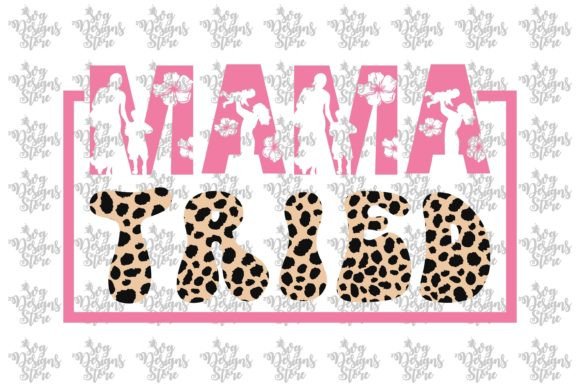
Opening the Mama Tried Mom Sublimation Svg Design, my first thought is how immediately welcoming it feels. The layout isn't rigid or overly graphic; it has that sketched, hand-lettered personality that translates beautifully into thread. The detail level, with its varied line weights and organic shapes, signals a design meant for embroidery, not just a flat print. It creates a mood of affectionate, slightly nostalgic humor—perfect for projects that are personal gifts or small shop products aiming for a handmade, heartfelt touch.
This isn't a design that shouts. It leans in and shares a wink. That visual personality tells me it belongs on items meant for close connection: a cozy sweatshirt, a well-loved tote bag, a baby blanket or apron for a new parent, or a pillow cover in a family room. It’s a statement, but a gentle one.
Where This Design Thrives in Real Projects
In practical use, the Mama Tried Mom file’s high-resolution source and included SVG mean you can scale it confidently for various hoop sizes. I’d envision it wonderfully on mid-sized projects. Imagine a custom embroidered tote bag for a craft fair—the design’s friendly vibe would make the product feel approachable and genuine, boosting buyer engagement. Or, think of it on a tea towel or kitchen towel as a holiday gift; the humor lands perfectly in a domestic setting.
For baby clothes or nursery decor, the design’s softer edges and lack of harsh geometrics work well. It avoids feeling too commercial or mass-produced, which is key for craft businesses and Etsy sellers wanting to differentiate their handmade products. As an embroidered patch, its detail would hold up nicely, adding value to a caps or backpack. The provided PNG is a boon for creating printable mockups for your listings, giving customers a clear preview of the finished product.
A Real Scenario: Preparing a Boutique Sweatshirt
Let’s say I’m preparing a limited-run sweatshirt for my small shop. I load the embroidery file, thinking about stitch choices. The thicker outlines would be great as a bold satin stitch, while the interior, finer details could use a running stitch or lighter fill stitch to keep the overall stitch density comfortable for a knit fabric. The design’s size, at that 4500×5400 pixel starting point, gives me room to adjust without losing clarity. I can picture it centered on the chest, about 4 inches wide—a focal point that feels generous but not overwhelming. The reaction I’d expect from a customer? A smile and a sense of recognition. It feels personal, which enhances giftability and customer trust in your brand’s consistency.
Careful Considerations for Stitching Success
While the design is adaptable, its success depends on mindful application. On very small hoop sizes, some of the more intricate line details might become too tight, risking muddled stitching clarity. I’d be cautious on highly textured fabrics like thick terrycloth or on thin, stretchy fabrics without the right stabilizer. The design’s charm lies in its readable lettering and shapes; losing that on a challenging base would hurt the final visual appeal.
For dark fabric, the color mode being RGB is a reminder: this is a guide for your thread choices. You’ll need to plan for high-contrast thread colors to make the design pop. On curved surfaces like caps, the design’s relatively wide layout might require careful placement to avoid distortion at the seams. And for products destined for frequent washing—like baby items or aprons—ensuring your stitch structure is secure is paramount to maintain that professionalism in the finished product.
Notes for the Practical Embroidery Designer
Before committing to a client project or a batch of small shop merchandise, my routine applies here too. Always test the machine embroidery design on scrap fabric first, mirroring the final fabric’s texture. Check how the small details, like the connectors in the lettering, translate into stitches. Review the stitch density in your software; a design with this much character can sometimes have areas that become too dense if not managed.
I’d also run it through black and white mockups to see how it holds up without color, and compare how it looks on both light and dark fabric backgrounds. This isn’t just about aesthetics; it’s about ensuring the embroidery project has the robustness for commercial embroidery or high-volume personalized gifts. Crucially, while the file set is comprehensive, confirm the licensing terms for your intended use—whether for personal projects or selling the physical handmade product—before proceeding. That’s a non-negotiable for any creative entrepreneur.
The Bottom Line for Your Craft Business
The Mama Tried Mom Sublimation Svg Design, from a designer’s viewpoint, is a strong, emotive design asset. It offers the flexibility needed for various crafts and graphics applications, particularly where a warm, handmade presentation is the goal. It can elevate custom apparel, add a personal touch to holiday embroidery gifts, and serve as a reliable, recognizable element in your craft business portfolio. Approach it with the practical steps any experienced embroiderer takes—testing, planning for fabric, and respecting licensing—and it will likely become a go-to file for projects that connect on a human level. That’s where its real value lies.