A Warm, Handcrafted Design for Personalized Family Gifts
First Impressions: A Celebration of Heartfelt Balance
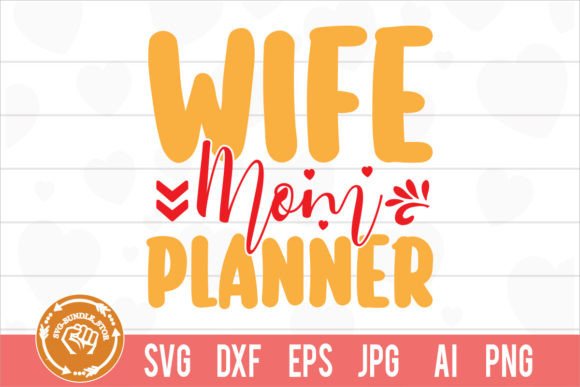
Opening the Wife Mom Planner Svg Cut File, you immediately sense its purpose. It’s not a loud or trendy graphic; it’s a quiet, confident celebration. The layered, word-by-word approach creates a gentle cascade of identity—wife, mom, planner—each term gaining its own visual weight. This isn’t just a phrase slapped together; it feels thoughtfully arranged, like a personal mantra stitched into fabric. The mood is appreciative, warm, and wonderfully human. It speaks directly to the wearer or the recipient, acknowledging the multifaceted roles they hold. For embroidery, this translates into a design with excellent potential for visual personality. The layout suggests a natural flow for stitching, where each word can be treated with slight variations in thread color or stitch style to add depth.
As a designer, I see this file belonging naturally to projects meant as personalized gifts or small shop merchandise with a heartfelt angle. Think of a custom embroidered tote bag for a friend who organizes everything, a cozy sweatshirt for a new mother, or a crisp apron as a holiday gift. The theme resonates with real life, making it more than just decoration—it becomes a statement of recognition.
Where This Design Finds Its Home in the Real World
In practical application, the Wife Mom Planner Svg Cut File shines on items where the message is central to the product’s use. Picture a beautifully embroidered pillow cover for a home office, a tea towel in a busy kitchen, or a patch applied to a favorite denim jacket. For baby embroidery, it could be subtly stitched onto a blanket as a gift for the mom. Its appeal for craft business items is strong, especially for Etsy sellers targeting customers looking for meaningful, non-generic gifts.
Perfect for Boutique Branding and Elevated Giftability
This design elevates the perceived value of a handmade product. When stitched cleanly onto high-quality cotton or a soft fleece sweatshirt, it conveys a sense of craftsmanship and attention to detail. For a creative entrepreneur, using this on a line of custom apparel can build brand consistency around themes of family, organization, and appreciation. A customer seeing this on a product in a small shop is more likely to engage because it feels personally relevant, not mass-produced. The professionalism of the finished stitch work, combined with the thoughtful design, directly boosts customer trust.
Navigating the Stitching Landscape: Practical Considerations
While the design is charming, its successful translation into embroidery depends on mindful execution. The “word by layer” structure is a gift for clarity, allowing you to potentially assign different stitch densities or even techniques—perhaps a satin stitch for the bold “Wife” and a lighter fill stitch for “Planner.” However, this layered approach also means paying close attention to small details and the spacing between each element.
This embroidery file should be used carefully on small hoop sizes. Trying to cram the entire design onto a tiny area might compromise the readability of the individual words, especially on textured fabrics like towels or certain knits. On stretchy fabric like t-shirts, a robust stabilizer is non-optional to prevent distortion. For dark fabric, the choice of thread colors is critical; a simple test on scrap fabric will reveal whether a lighter top thread or perhaps a white backing stitch is needed for optimal contrast.
Challenging Surfaces and Long-Term Wear
Applying this to curved surfaces like caps requires careful digitizing adjustments to ensure the layered words sit correctly without awkward breaks. Also, consider the end use. If the finished product, like an embroidered apron or baby clothes, will need frequent washing, test the stitch density to ensure it’s not too dense, which can make the fabric pucker or the threads wear faster. The design’s visual appeal hinges on stitching clarity, so a little pre-testing goes a long way in preserving that.
Notes from the Worktable: A Designer’s Checklist
Before loading this into your machine for a client’s commercial embroidery project or your own craft fair products, run through a quick mental checklist. Always, test the design on scrap fabric first, using the same material as your final project. Review stitch density in your software preview. Confirm hoop size compatibility—does the design need a 5x7 or larger? Inspect small details, particularly any decorative accents or corners in the lettering that might require a running stitch for definition.
It’s wise to check thread color contrast by creating simple black and white mockups to see how the silhouette holds up. Compare how it looks on both light and dark fabric backgrounds digitally before committing thread. Crucially, since the product description notes this is a digital download including AI and SVG files, you must confirm licensing before selling finished items or digital products. The description does not specify commercial use, so as a professional, verifying this is a fundamental step. Does the license permit you to sell the embroidered tote bags or embroidered patches you create? This due diligence protects your craft business.
The Final Stitch: A Design That Connects
The Wife Mom Planner Svg Cut File, from a practical designer’s viewpoint, is a robust design asset for specific, heartfelt projects. Its strength lies in its emotional resonance and clear, layered construction. It won’t suit every embroidery project—it’s not for minimalist aesthetics or high-speed, bulk production—but for the personalized gift, the handmade product with a story, or the boutique product line celebrating everyday roles, it is exceptionally fitting.
When stitched with care on appropriate fabrics, it creates a finished product that feels both professional and deeply personal. It engages buyers because it speaks to a real, multifaceted identity. For the apparel decorator or digital product seller creating printable mockups, it offers a versatile graphic foundation. Remember, its success in real-life embroidery situations depends on your technical preparation—the right stabilizer, the thoughtful thread palette, and a respect for its layered detail. Done well, it becomes more than an embroidery design; it becomes a small, stitched tribute, which is exactly what good Crafts and Graphics should enable.