A Retro Cheer Mom Design for Real Embroidery Projects
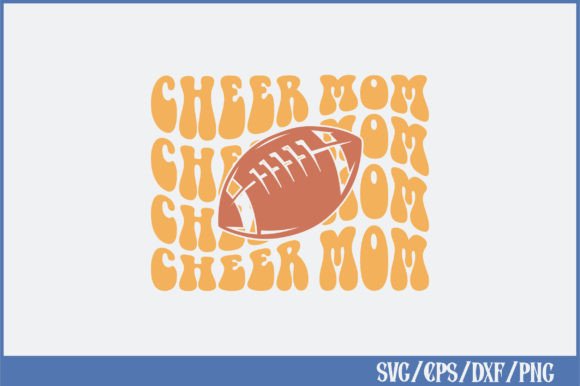
As a designer who reviews embroidery files for practical use, I’m always looking at a design’s potential on fabric, not just on screen. When I open the Cheer Mom Retro Svg Design, my first thought isn’t about the files—SVG, EPS, DXF, PNG are all there, which is great—but about the mood it creates. This design has a warm, nostalgic personality. The retro styling feels celebratory and heartfelt, not overly trendy or flashy. It’s a graphic that belongs on something meant to be cherished.
Where This Design Finds Its Perfect Home
In my work, I imagine a client requesting a custom gift for a cheer team mom. This design immediately suggests a sturdy, everyday item. A canvas tote bag for carrying gear, a cozy crewneck sweatshirt, or a well-made apron for team picnics. The layout isn’t too sprawling or too tight; it feels balanced for a central placement on a chest or a bag front. It would also shine as a standalone patch, something that could be appliquéd onto a blanket or a pillow cover for a keepsake. The theme is specific, but the warmth makes it suitable for more than just apparel—think personalized kitchen towels for a team fundraiser or embroidered caps as a unified gift.
For small business owners and Etsy sellers, this translates into a product with clear appeal. A finished embroidered tote bag with this design feels like a boutique product, not a generic mass-market item. It tells a story. That authenticity boosts customer trust and the perceived value of your handmade product. For a creative entrepreneur, it’s a design asset that can anchor a whole line of holiday embroidery gifts or team-themed merchandise.
Navigating the Stitching Reality
When prepping for an actual embroidery project, the retro aesthetic here is generally forgiving. The likely use of bold lettering and classic shapes means that, on most fabrics, the stitch clarity should be good. However, that’s where practical judgment comes in. On a dark fabric like black denim or a navy sweatshirt, you’d need to plan your thread colors carefully to maintain that retro pop—a white or bright topstitch might be essential. I always advise testing on scrap fabric first.
The design’s detail level, from the PNG preview, seems manageable but warrants attention. If there are tiny decorative accents or very fine curves in the lettering, they could get lost on a textured fabric like a knitted blanket or become problematic on a stretchy fabric without the right stabilizer. Embroidering this on a curved surface like a cap would require checking the file’s adaptability in your software to ensure the layout doesn’t distort.
One of the most important notes for any commercial use: the included formats suggest versatility for both digital previews and machine embroidery. But before running this on your machine or selling a finished product, you must confirm the specifics yourself. Check the actual stitch density in your embroidery software—a very dense fill stitch area on a thin t-shirt could cause puckering. Verify the minimum practical hoop size you’d need. And crucially, review the licensing terms that come with the download to confirm it’s cleared for your commercial embroidery or small shop product plans.
Making It Work for Your Customers and Your Brand
The visual appeal of this design, once stitched, is its friendly professionalism. It doesn’t look amateurish or overly complex. That reliability enhances your brand consistency if you’re a decorator or seller—customers get a product that looks intentional and well-made. For a personalized gift, like a baby item for a cheerleader’s newborn, the retro vibe adds a layer of heritage and thoughtfulness that goes beyond a simple name.
From a business perspective, this design engages buyers because it’s recognizable and emotive. It fits a niche, but that niche is passionate. An Etsy seller could use it for printable mockups that instantly communicate the product’s use. A craft fair vendor might find it draws attention on a displayed embroidered patch or apron. The key is pairing it with the right product base. It would feel out of place on something overly formal, but perfect on something meant for pride, support, and casual celebration.
A Designer’s Practical Checklist Before Hooping
My final thoughts always turn to a quick mental checklist. For the Cheer Mom Retro Svg Design, here’s what I’d do before committing it to a client’s order or my shop inventory:
- Run a test stitch on a scrap of the actual fabric I plan to use—a cotton canvas for a tote, a poly-blend for a sweatshirt.
- Check thread color contrast by viewing the design in simple black and white mockups to see which elements are critical.
- Inspect the small details in the embroidery file to see if any corners or lines are too fine for my machine’s typical settings.
- Compare how it looks conceptually on both light and dark fabric backgrounds to offer customers options.
- Ensure my stabilizer choice matches the fabric texture and the design’s potential density.
- Double-check the licensing for digital embroidery file use, ensuring I can legally create and sell the physical items I intend to make.
This design has the character to make a project feel special. Its retro cheer mom theme is a direct emotional hook, but its practical success depends on treating it as a real machine embroidery design, not just a graphic. When you apply that designer’s eye for detail, it can become a standout piece in your craft business, a beloved custom apparel item, or a truly meaningful gift. That’s the real measure of a useful embroidery file.