A Designer's Review: Love You Mom Retro SVG
Whenever a design lands in my digital library, my first thought isn’t about the files themselves. It’s about the stitch. How will this feel, look, and live as a finished, tangible piece? Today, I’m considering the Love You Mom Retro SVG Design, evaluating it purely from the perspective of an embroidery professional ready to put it to work.
The Warm, Welcoming First Impression
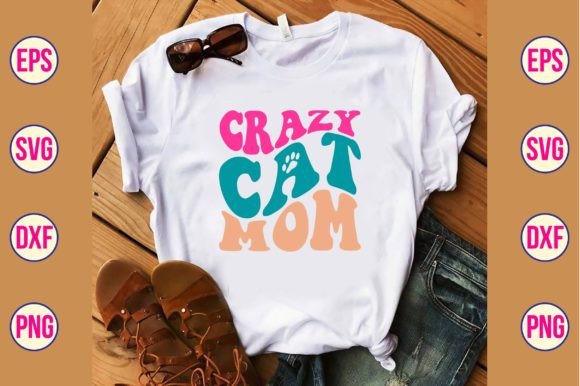
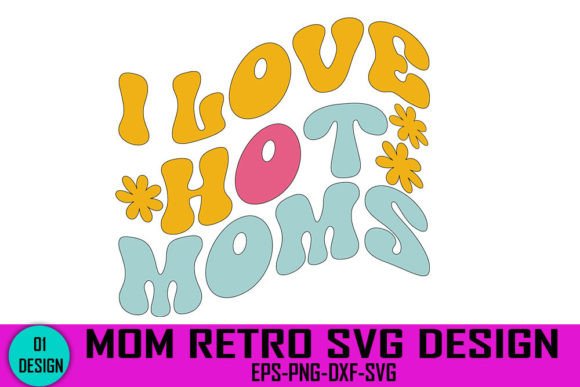
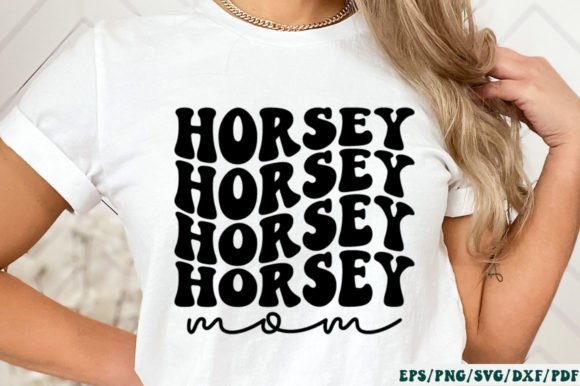
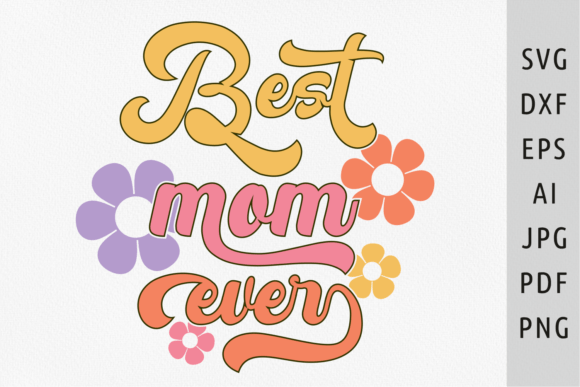
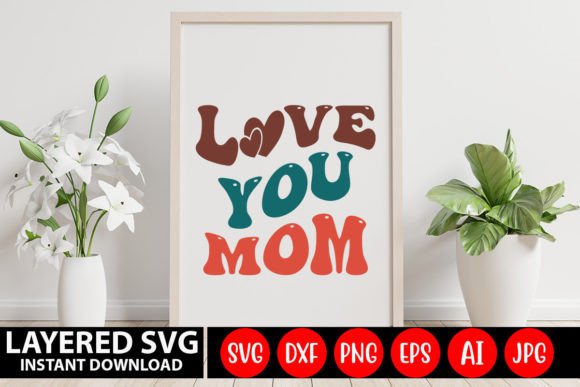
This design has an immediate, friendly personality. The retro style isn’t overly sharp or geometric; it feels soft, approachable, and genuinely sentimental. The layout likely centers around the phrase “Love You Mom,” with a visual treatment that evokes warmth rather than stark modernity. This mood is crucial. It tells me this isn’t a design for a corporate logo or a trendy streetwear piece—it’s for heartfelt projects. My mind jumps instantly to personalized gifts, boutique baby items, cozy home decor, and the kind of handmade products that feel like they were made with care.
Where This Design Finds Its Natural Home
In practical terms, I envision this embroidery file shining on specific canvases. Imagine it stitched onto a soft cotton tote bag for a Mother’s Day market stall. Picture it as a centered motif on a heather gray sweatshirt, a gift that’s worn and cherished for years. It would be perfect on a baby’s blanket or a pillow cover in a nursery, adding a gentle, personalized touch. For a craft business, this design translates beautifully into embroidered patches or apron accents. It’s also a strong candidate for holiday embroidery on kitchen towels or as a focal point on a custom apparel item for a small shop. The theme is universally relatable, which makes it a versatile asset for an Etsy seller or creative entrepreneur building a line of sentimental merchandise.
Performance on Real Fabric: A Practical Look
Moving from vision to the machine, how would this machine embroidery design actually perform? Given its likely composition, I’d pay close attention to the stitch density, especially if the retro style includes filled areas. On textured fabrics like some sweatshirt materials or on stretchy fabric, a dense fill stitch might require careful hoop size selection and excellent stabilizer to prevent puckering. The charm of retro designs often lies in clean lines, so the running stitch or satin stitch used for the lettering and outlines needs to be crisp.
I would be cautious applying it to very small hoop sizes if the design has intricate details or tiny lettering, as those can lose clarity. On dark fabric, the thread colors chosen become paramount—you need strong contrast to maintain that warm, readable vibe. Embroidering on curved surfaces like caps requires a design with good flow, so checking how the layout adapts to a curved template would be a key step. And for any product meant for frequent use and washing, like a baby embroidery item on clothing, I’d test durability on scrap fabric first to ensure the stitches hold up beautifully.
Why This Design Adds Value to Your Work
Beyond the technical, this design affects the perceived value of your finished product. Its emotional theme enhances giftability and customer trust—it looks like a thoughtful, professional handmade product. For a craft business, using a cohesive, well-executed design like this supports brand consistency. When a customer sees a beautifully stitched “Love You Mom” on a tote, it creates immediate recognition and positive buyer engagement. It elevates a simple item into a meaningful personalized gift. This is the real power of a good embroidery file: it turns fabric into a story.
Notes from the Embroidery Desk
Before I commit this to a client project or my own small shop product, here’s my checklist. Always test the design on scrap fabric first, ideally a similar material to the final project. Check thread color contrast by reviewing the design in both black and white digital mockups and imagining it on light and dark backgrounds. Review stitch density in your embroidery software preview to gauge if adjustments are needed for your specific fabric. Confirm hoop size suitability—don’t assume. Inspect small details in the file to ensure they’ll translate clearly to stitches.
For any commercial embroidery or selling of finished items, a critical step is to confirm licensing before selling. The product description states it’s a digital download including an AI and SVG file, but I need to understand the terms of use for digital embroidery file assets in my craft business. Does it allow for commercial projects? Always verify. Also, using proper stabilizer tailored to your fabric is non-negotiable for achieving a clean, professional look that withstands wear.
A Final Thought on Real Use
Let’s walk through a real scenario. I’m preparing a custom embroidered tote bag as a Mother’s Day gift for a client. I choose a natural canvas fabric. I load the Love You Mom Retro SVG Design, ensuring my software interprets the layers correctly for my machine. I select a palette of soft, warm thread colors—perhaps a cream and a muted rose. After a successful test on scrap canvas, I hoop the bag, applying a sturdy cutaway stabilizer given the fabric’s structure. The stitch-out completes. The result isn’t just a bag with words on it; it’s a tangible expression of affection, with a retro charm that feels timeless and handmade. That’s the successful translation from a Graphics file in the Crafts category to a real-world object with emotional resonance. That’s the goal. This design, with its inherent warmth and clear application, seems poised to achieve it across a wide range of thoughtful projects.