A Designer's Real-World Review of the Mom Flower SVG File
The First Impression: Warm, Clear, and Ready to Stitch
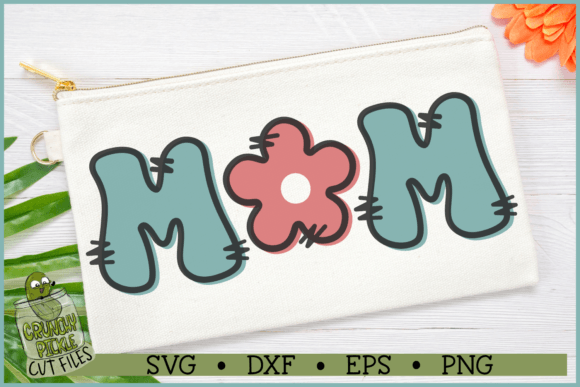
Opening the Mom Flower SVG File, the immediate feeling is one of warmth and clarity. The design has a classic, approachable personality—it’s not overly trendy or fussy, but carries a sincere, handmade sentiment. The layout is balanced, and the level of detail feels intentional. For an experienced embroidery designer, this signals a design that will translate well from digital screen to physical stitches. It doesn't have the overly complex, dense areas that can cause puckering or require excessive thread changes. Instead, it presents itself as a reliable, versatile embroidery file ready for real projects.
Where This Design Naturally Belongs
In my mind, I immediately picture it on a canvas tote bag for a boutique, a soft cotton baby blanket, or a cozy sweatshirt for a personalized gift. The theme is universal and emotionally resonant, making it a perfect fit for custom apparel and handmade products meant to convey affection. Its straightforward elegance makes it a strong candidate for a small shop’s core merchandise—something an Etsy seller could offer as a custom embroidered patch or a holiday embroidery gift. It doesn’t scream "seasonal," so it has year-round appeal, which is valuable for craft business inventory.
Performance in Real-Life Embroidery Projects
Let’s walk through a real scenario. I’m preparing a custom order for a client: an embroidered linen pillow cover as a Mother’s Day gift. I load the Mom Flower SVG File, thinking through its application. The included high-resolution PNG is useful for creating printable mockups for my website, giving customers a clear preview. When I move to the machine, the layered nature of the SVG suggests it will allow for clean color separation, which is excellent for planning satin stitch outlines and fill stitch areas. I envision the flower petals with a soft pink thread colors and the text in a deeper, contrasting shade.
On a tote bag design, the scale feels right. At the noted 12-inch maximum size, it would be a statement piece on the bag’s front panel. On a sweatshirt embroidery, placed on the left chest area, it becomes a subtle, personal accent. For baby embroidery on a romper or a nursery decor item, its gentle theme aligns perfectly with the product’s purpose. The design’s clarity enhances stitching clarity on the final product, which directly boosts customer trust and the perceived product value. A clean, well-defined stitch result looks professional, and that matters for small shop product presentation and brand consistency.
Products That Maximize Its Appeal
- Custom kitchen towels or aprons for a heartfelt, practical gift.
- Embroidered caps with a simplified version for the curved surface.
- Personalized tea towels as a consistent seller for a creative entrepreneur.
- Blankets and pillow covers for home decor boutiques.
- Printable designs for digital product sellers creating design assets.
- Simple patches that can be applied to jackets or bags.
Considerations for Careful Use
While the design is versatile, practical judgment is key. On very small hoop sizes, the smaller details might become too tight, risking stitch density issues. Testing on scrap fabric first is non-negotiable here. On highly textured fabrics like some towels, or on stretchy fabric like t-shirts, using the correct stabilizer will be crucial to maintain the design’s clean shape. Embroidering on dark fabric requires careful thread color contrast planning; a light thread for the text might be essential for readability.
For detailed corners and any potential tiny lettering elements within the design, I would advise inspecting the stitched test sample closely. On curved surfaces like caps, simplifying the design by removing the most intricate elements might be necessary for a smooth result. For products that need frequent washing, like baby clothes, ensuring the stitch coverage is secure and the design isn’t too large helps longevity. The visual appeal relies on this practical forethought.
A Note on Commercial Use and Professionalism
For commercial embroidery projects and selling finished products, the Mom Flower SVG File appears as a solid digital embroidery file. However, a critical step for any maker or apparel decorator is to confirm the licensing terms before selling items. The product description mentions use for DIY projects, but it doesn’t explicitly outline commercial rights. Always verify this to protect your craft business and maintain professionalism. This due diligence directly affects buyer engagement and your reputation as a seller.
Practical Designer Notes Before You Hoop the Fabric
- Test on scrap first. Use the same fabric and stabilizer you plan for the final product.
- Check thread contrast. Stitch a section on both light and dark fabric scraps to see how colors pop.
- Review stitch density in small areas. Look for any potential puckering in dense fill areas.
- Confirm your effective hoop size. Don’t assume the maximum size will work for your specific machine and stabilizer combination.
- Inspect small details. After testing, see if any corners or fine lines need slight adjustment in your machine settings.
- Use proper stabilizer. Match the stabilizer to the fabric type—this is half the battle for a clean finish.
- Consider black and white mockups. This helps assess the design’s form and balance beyond its color appeal.
Ultimately, the Mom Flower SVG File strikes me as a dependable, emotionally effective design. It’s not the most avant-garde piece in the crafts and graphics world, but its strength is in its reliability and universal resonance. It’s a design you can trust to stitch out cleanly, look appealing on a range of products, and connect with customers seeking a personalized gift or a handmade product with genuine sentiment. For the embroidery designer looking to add a timeless, warm option to their project library or product line, it’s a file worth considering for real-world use.