A Designer's Practical Review of Mama Mom Sublimation
First Impressions: A Warm, Universal Appeal
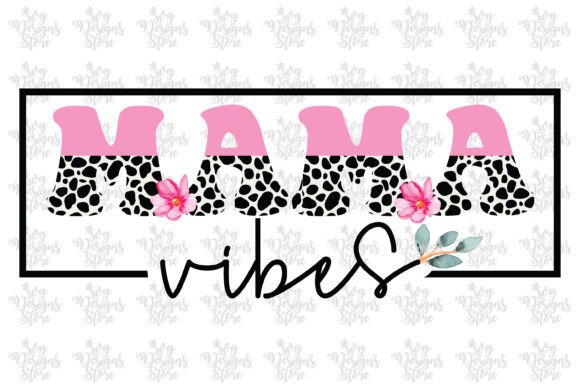
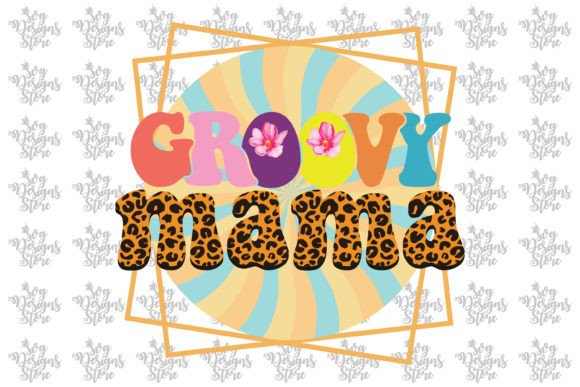
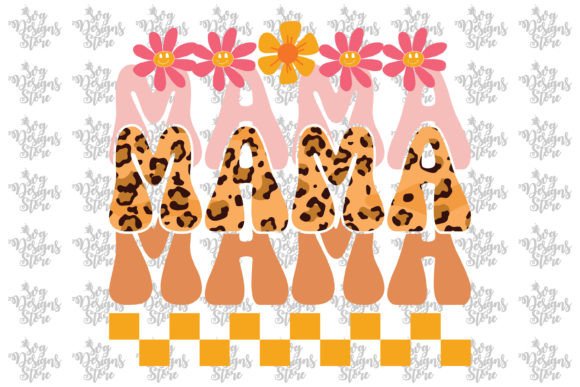
Opening this Mama Mom design, the immediate feeling is one of warm, classic sentiment. The layout and theme aren't overly trendy or niche; they speak to a universal appreciation. This is a visual personality built for gifts and personalization, not for bold statement pieces. The detail level in the provided high-resolution files suggests it's crafted for clarity, which is my first major checkpoint. For embroidery, especially on items like a custom embroidered pillow cover or a personalized kitchen towel, this kind of clean, recognizable motif is exactly what you want. It doesn’t fight with the fabric; it complements it.
The Natural Habitat for This Embroidery Design
In my mind, I’m already placing this on products. It naturally belongs to a specific category of handmade products: the thoughtful gift. Picture a custom embroidered tote bag for a mother’s birthday, a simple embroidered patch on a child’s blanket, or the central motif on a boutique product like an apron. Its strength is in its emotional resonance, not intricate complexity. This makes it a fantastic candidate for small shop merchandise and Etsy listings where the story is about care and connection.
Performance on Real Fabrics & Products
Let’s move from the screen to the hoop. The high resolution and included SVG files are promising for clean conversion to an embroidery file. In a real-life scenario—say, I’m preparing a batch of embroidered sweatshirts for a craft fair—I’m thinking about how this design will stitch out. The likely use of satin stitches for lettering and fill stitches for larger elements needs to be evaluated for density. On a mid-weight sweatshirt, with proper stabilizer, it should look crisp. However, that’s always a theory until you test.
For baby clothes or lightweight tea towels, the stitch density becomes even more critical. A design with too much fill in a small area can make thin fabric stiff or puckered. The provided specifications don’t include an exact stitch count, so my professional note here is emphatic: always test this design on scrap fabric first. Run it on the actual material you plan to use—a cotton tote bag, a poly-blend cap, a fluffy blanket—before committing to a client’s project or a production batch.
Where This Design Should Be Used with Care
Every design has its ideal applications and its tricky ones. For Mama Mom Sublimation, the areas requiring careful planning are primarily around scale and background. Small hoop sizes might struggle if there are very fine details or tiny lettering; you need to check the design’s scalability in your software. Dark fabrics demand high contrast in thread colors; a design meant for light backgrounds might need a color palette adjustment to pop on navy or black.
Textured fabrics like some blankets, or curved surfaces like caps, can distort simpler designs less, but alignment is key. Also, consider products that need frequent washing. A dense embroidery area on a frequently laundered apron or baby item must be stitched securely with appropriate threads and stabilizers to maintain its integrity. This affects customer trust and the perceived value of your handmade product.
Impact on Your Business & Craft
Beyond the stitch-out, using a design like this affects your work’s broader appeal. Its warm, clear style enhances stitching clarity and visual appeal on the finished product. This translates directly to product value and buyer engagement. A customer browsing your craft fair products or Etsy shop will immediately understand the item’s purpose—it’s giftable, personal, and professional.
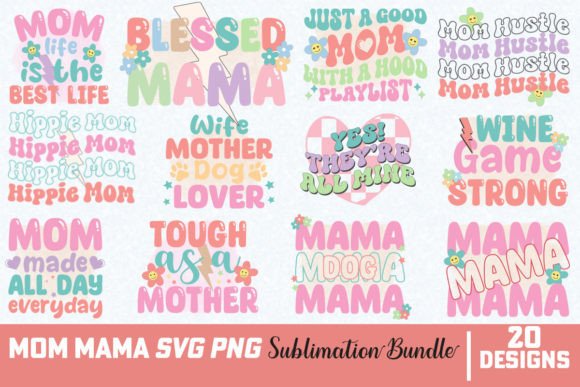
For digital product sellers and creative entrepreneurs, this design file as a commercial design asset can be a solid foundation. It allows for creating printable mockups or offering it as part of a digital embroidery file collection. However, a crucial step is to confirm the licensing terms before selling any finished items or derived digital products. The product description lists included support files, but the license for commercial use of the finished embroidery is something you must verify independently.
Practical Notes from the Embroidery Desk
- Test the design on both light and dark fabric scraps to judge thread color contrast.
- Review the stitch path in your embroidery software to inspect small details and potential trouble spots.
- Confirm the physical hoop size you’ll need for your intended product; don’t assume.
- Use a sturdy stabilizer appropriate for your fabric texture, especially for stretchy fabric.
- Consider creating a embroidered patch version; this design could work beautifully as an appliqué element.
- Check how the design works in a simple black-and-white mockup to assess its form without color.
- Always, always run a test stitch. It’s the only way to see how the digital file truly behaves as a physical embroidery project.
Final Thoughts: A Design Built for Meaningful Projects
The Mama Mom Sublimation design isn’t flashy, but it’s deeply functional for a specific and valuable niche in the crafting world. It supports brand consistency for a shop focusing on family, gifts, and celebration. Its giftability and recognition are high. From my point of view as someone who turns digital files into tangible goods, this design has the hallmarks of something that will stitch out reliably and sell effectively, provided you do your due diligence on the technical side. It’s a craft business asset for creating products that feel personal, professional, and made with care.